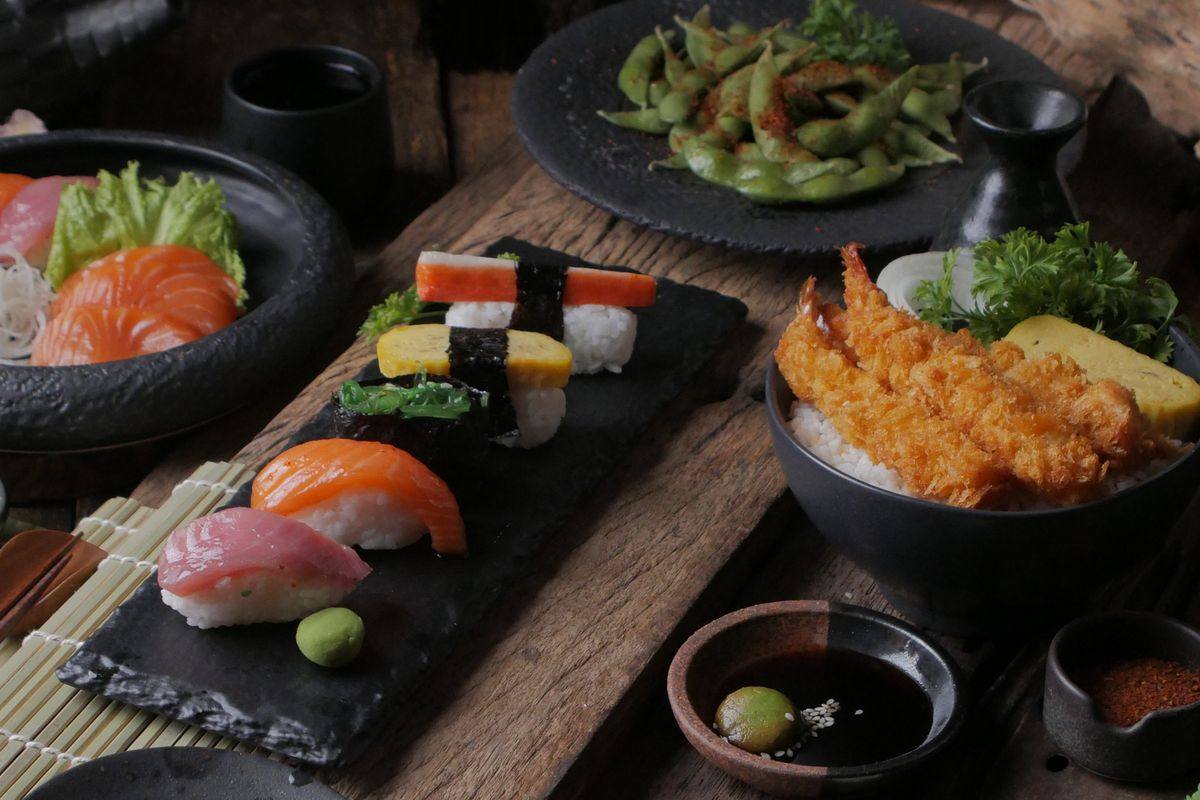
Dining out in Japan is one of the great pleasures of a trip here — and it's far less intimidating than it first seems. Most restaurants in our directory cater to international visitors, with English or picture menus and staff used to pointing and smiling. This guide walks through the whole experience, from choosing a spot to settling the bill.
1. Choosing a spot
Start with a neighborhood — each has its own character, from Ginza's polished counters to Shinjuku's ramen alleys. Then check the rating and review count on each listing; our directory compiles ratings from public sources like TripAdvisor. As a rule of thumb:
- Counter sushi, kaiseki, and wagyu often need reservations days ahead — check the "Reservation" line in each restaurant's details.
- Ramen, izakaya, curry, and okonomiyaki shops are usually walk-in. Expect a short wait at peak lunch (12:00–13:00).
- Chains (Marugame Seimen, CoCo Ichibanya) are the easiest first choice: cheap, fast, and used to foreign customers.
2. Ordering without Japanese
You don't need the language. Three things cover almost every meal:
- Pointing. Picture menus are everywhere, and staff are used to customers pointing. A smile does the rest.
- One phrase. これをください (ko-re o ku-da-sai) — "This one, please" — works at any table or counter.
- Ticket machines. Many ramen and cheap chains have a ticket machine (食券機) at the entrance: pick a dish from the pictures, insert money, take the ticket, and hand it to staff.
When you're seated, staff will ask how many people — 一人です (hi-to-ri de-su) is "one person", 二人です (futa-ri de-su) is "two". Our phrasebook and conversation examples cover the rest, from ordering to asking for the bill.
3. Manners that matter
Japanese table manners are simple once you know the handful that actually matter:
- Slurping is fine. Loudly slurping ramen or soba is normal — it cools the noodles and shows you're enjoying them.
- Never tip. Tipping can cause confusion or polite refusal. Great service is simply part of the job here.
- Chopsticks. Don't stick them upright in rice, and don't pass food from chopsticks to chopsticks — both echo funeral customs. Rest them on the holder when you pause.
- Say it. いただきます (i-ta-da-ki-ma-su) before eating and ごちそうさまでした (go-chi-so-u-sa-ma de-shi-ta) after — small words that are always appreciated.
- Drinks. Pour for others, not yourself; someone will pour for you. Wait until everyone is served before starting to drink — 乾杯 (kan-pai, "cheers")!
Our etiquette section covers these in more depth, with do's and don'ts side by side.
4. Paying
Cash is still common at small, traditional shops, while chains and newer restaurants take Visa/Mastercard and mobile pay (Apple Pay, Suica). Either way, the flow is simple: staff bring the bill to the table, or you pay at the register on the way out. To ask for the bill, say お会計 (o-kai-ke-i) or just catch the staff's eye — many places also have a call button at the table. Splitting the bill is easy in Japan: most places will happily divide it per person if you ask (お勘定を分けてください, o-kan-jou o wa-ke-te ku-da-sai).
5. Everyday situations
- "Irasshaimase!" (いらっしゃいませ) — the welcome call as you enter. No reply needed; just smile and nod.
- Counter seats. Common at ramen and sushi shops. Follow staff to your seat — こちらへどうぞ (ko-chi-ra e do-u-zo) means "this way, please".
- Queues. Normal at popular spots. Join the line and wait patiently; most shops take your name or hand you a numbered ticket.
- Allergies. Ask about specific ingredients using our phrasebook — staff usually understand "no ___" written down or shown on your phone.
6. What to try
Unsure where to start? Our food guide covers eight Japanese dishes — sushi, ramen, tempura, wagyu, soba, and more — with what to expect and what to order first. Filter the restaurant list by cuisine to find a place that serves it.
Phrases and situations above reflect common practice at restaurants in our directory. Details such as hours, payment methods, and reservation policies change frequently — please verify directly with each restaurant before visiting.